Integrating Plant Therapy into Daily Routines for Better Anxiety Management
Apr 18, 2024
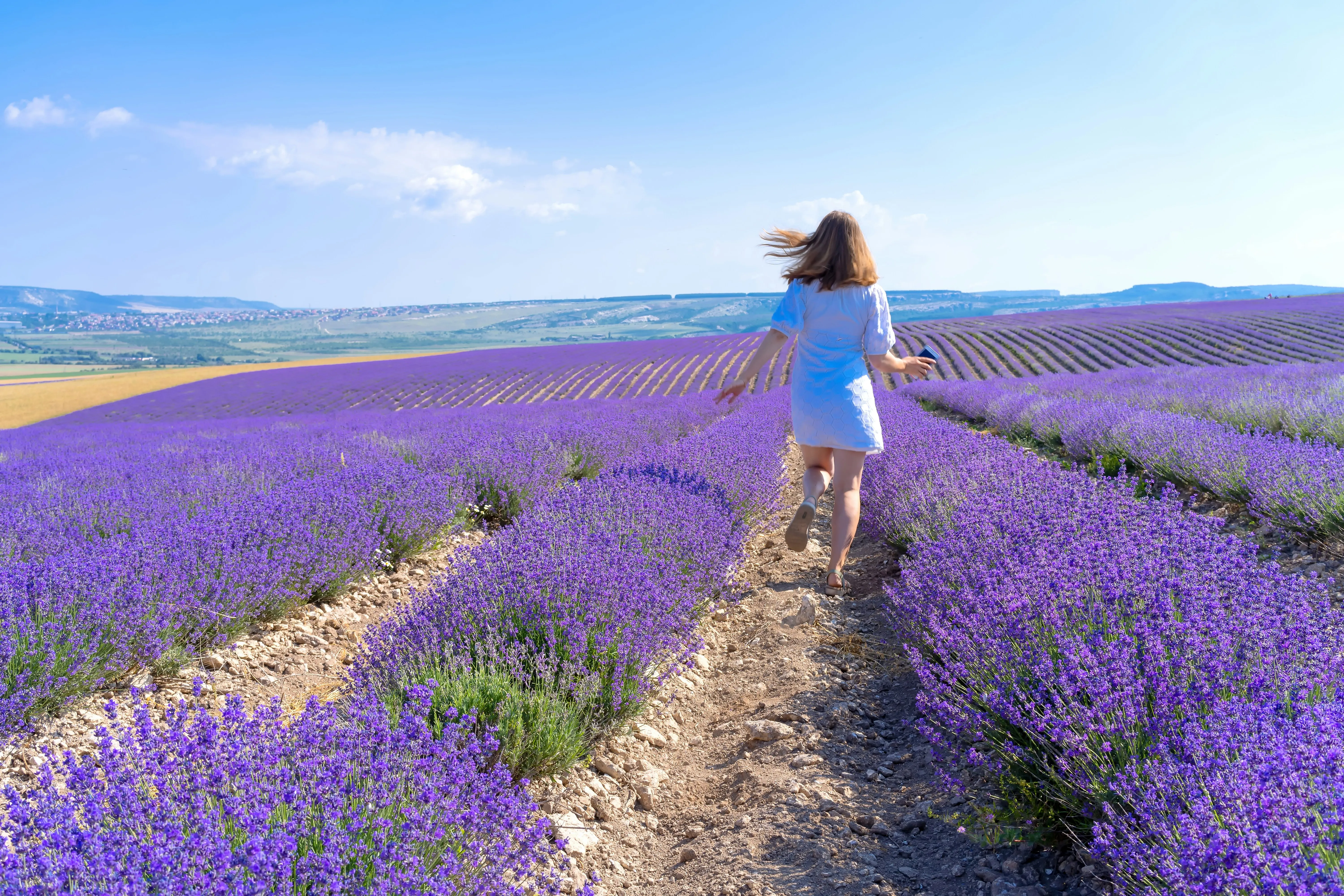
Throughout history, humans have esteemed plants for their therapeutic qualities, which offer tranquility and a connection to the natural world. A recent thorough examination of research into plant therapy suggests that plants could alleviate anxiety and stress, aid in managing conditions like attention-deficit hyperactivity disorder, and even boost memory retention and creativity. Plant therapy holds promise for improving mental well-being, but understanding how it operates and its efficacy is essential. So, what's the deal with plant therapy and why does it seem to be particularly effective for addressing mental health concerns? Keep reading to uncover the answers to these questions and more, including insights on the kratom for anxiety.
The Relaxing Effects of Gardening
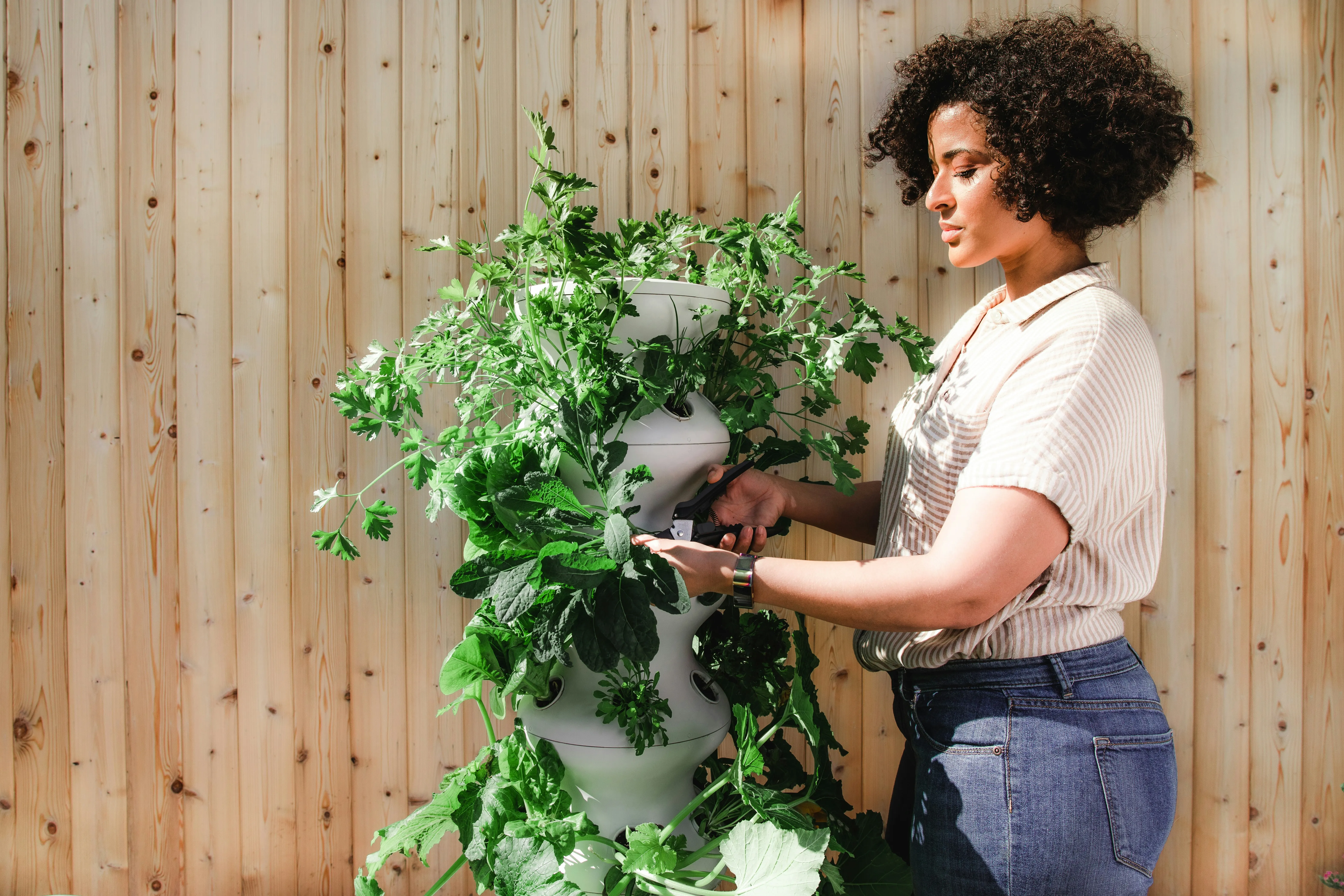
Engaging in gardening promotes relaxation by offering an escape from daily pressures and fostering a connection with nature. Tasks like weeding, trimming, and watering, which are necessary for plant maintenance, provide a routine and repetitive activity that allows individuals to disconnect and clear their minds. The mindful and rhythmic nature of tending to plants is akin to meditation, enhancing one's sense of presence. Gardening nurtures a deeper connection with nature, particularly beneficial for those dealing with depression. Additionally, the responsibility of caring for plants has been shown to yield positive mental health outcomes.
Cultivating Responsibility through Gardening
Gardening instills a sense of responsibility by entrusting individuals with the task of nurturing another living organism to thrive and grow. This responsibility fosters appreciation, ownership, and heightened compassion as individuals care for the well-being of their plants.
The Hormonal Benefits of Plant Care
Caring for plants offers a natural outlet for physical activity and exposure to the outdoors, fulfilling our body's need for both. Engaging in gardening stimulates the release of serotonin and dopamine, enhancing mood and promoting feelings of well-being. Additionally, this activity contributes to the establishment of healthy sleep patterns, leading to a more rejuvenated state.
Gardening as an Outlet for Anger and Aggression
Gardening offers outlets for venting anger and aggression through tasks like weeding, pruning, and trimming unruly plants. It serves as a metaphor for emotional management, highlighting the importance of tending to and addressing emotions to prevent them from overwhelming one's well-being, akin to maintaining a garden to prevent it from being overrun.
Varieties of Plant Therapy Techniques
Plant therapy, or horticultural therapy, is gaining traction as a mental health intervention, utilizing plants and nature-oriented activities to enhance both physical and psychological health. Therapists employ a range of plant therapy methods tailored to suit individual needs, which may encompass:
- Aromatherapy using essential oils
- Engaging in gardening activities
- Nature walks as therapeutic exercises
- Cultivating household plants for therapeutic benefits
Harnessing the Power of Essential Oils for Mental Well-being
Essential oil therapy harnesses the aromatic compounds from plants to complement mental health treatment approaches, offering natural benefits for mental well-being. Derived from plants, these oils are utilized in aromatherapy sessions aimed at promoting relaxation and alleviating discomfort, serving as a valuable tool in mental health care.
The utilization of essential oils in therapy can differ among providers based on therapy objectives and individual mental health requirements. Some therapists may select specific essential oils based on the themes being addressed in particular sessions, while others might encourage individuals to experiment and find what suits them best. Research indicates that when integrated with psychotherapy, essential oils have demonstrated effectiveness in alleviating symptoms of anxiety, depression, and chronic pain, underscoring their potential as a complementary approach to mental health treatment.
Diverse Gardening Practices in Therapy
Gardening is integrated into therapeutic strategies by therapists to facilitate clients in forging a stronger bond with nature, enhancing physical activity, acquiring new proficiencies, and seeking solace through the healing properties of plants.
Gardening offers individuals a sense of purpose and accomplishment, fostering self-reflection within a serene environment. In horticultural therapy sessions, clients engage with nature in personally meaningful and enjoyable ways, supported by therapists throughout the journey.
Embracing Nature's Healing Influence through Outdoor Walks
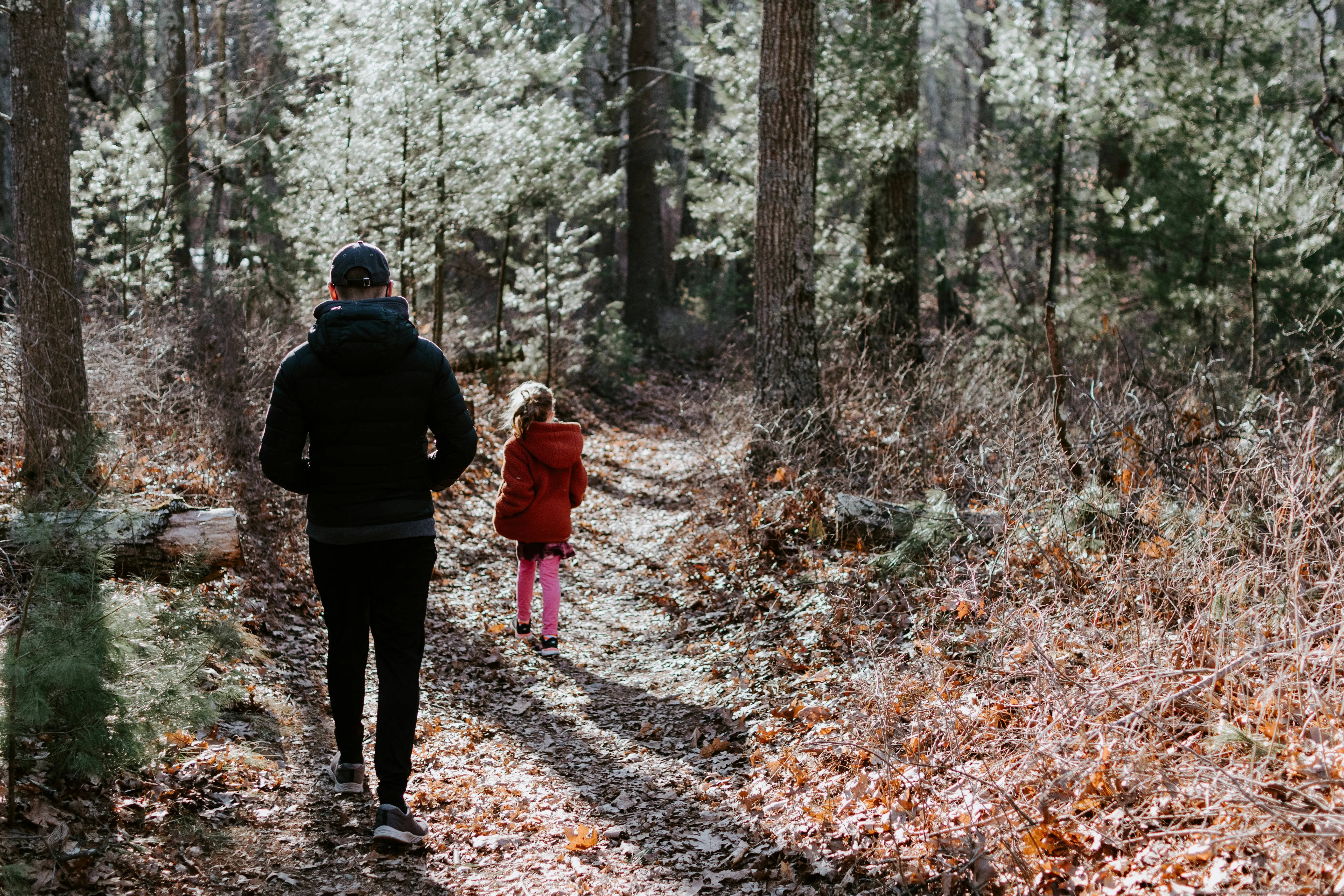
Taking leisurely strolls in natural surroundings offers another avenue to embrace the therapeutic essence of the outdoors. Engaging in nature walks can yield numerous benefits, including stress reduction, mood enhancement, elevated physical activity, reduced loneliness, and enhanced self-esteem. Studies indicate that even brief 15-minute excursions in natural settings can significantly bolster mental well-being. This effect may stem from the brain's release of mood-lifting neurotransmitters, contributing to diminished feelings of depression, hopelessness, and other prevalent symptoms.
Harnessing the Power of Indoor Plants for Mental Well-being
Cultivating household plants is gaining popularity as a convenient method to harness the psychological advantages of plant therapy from the comfort of home, offering a beneficial complement to online therapy. Recent research indicates that tending to indoor plants can yield significant mental health benefits, including enhanced cognitive function, reduced anxiety, and a heightened sense of relaxation.
Conclusion:
Long-term engagement with plant therapy can contribute to sustained success, recovery, and enhanced emotional well-being, offering a natural, pragmatic, and impactful means of self-care. If considering integrating plant therapy into one's life to alleviate symptoms of depression or anxiety, it's crucial to recognize its effectiveness when combined with other therapeutic approaches, such as seeking guidance from a therapist. Initiating plant therapy may seem daunting, yet caring for plant life is both affordable and straightforward. You might even encounter a selection of houseplant choices at nearby stores, alongside options like the best kratom for anxiety.